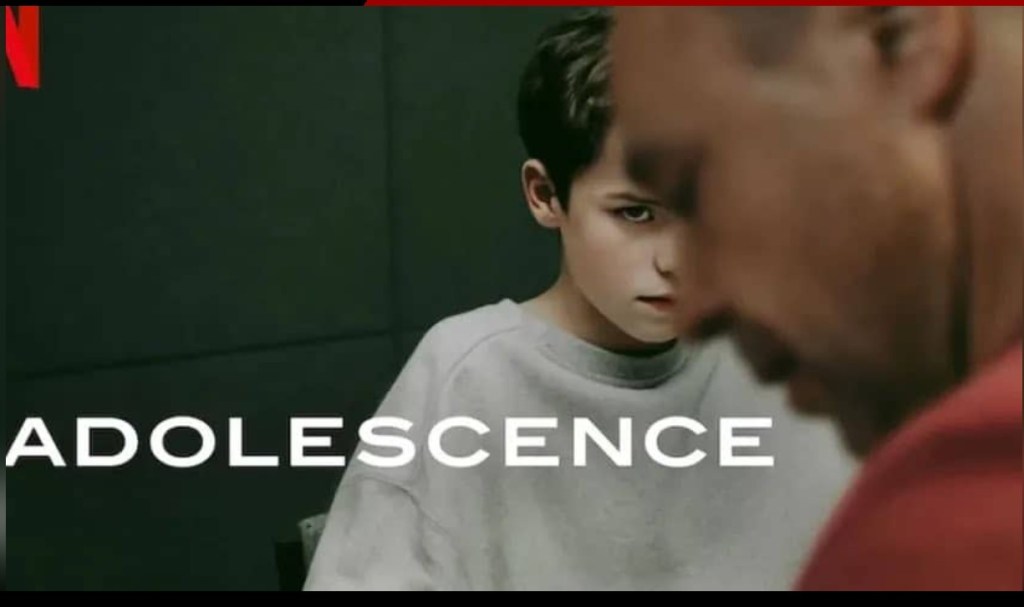
Netflix’s limited series “Adolescence” has garnered significant appreciation and relatability among viewers. While it may not be considered a masterpiece by all, the series deserves big credits for its brilliant artists who nailed the script in single shots. The attention it’s receiving highlights the need for everyone to revisit how we operate in life today.
Audience reactions have been vocal about several key themes:
- Booming incel mentality: The series sheds light on this growing issue.
- Toxic biases: It explores the 80/20 rule of attraction and its implications.
- Cryptic emojis: The show delves into how emojis are changing digital communication.
Talking with insightful beings in my world opened my eyes to few more takeaways as reflections, as topics for conversations
Are we open enough to create a safe space to talk about topics that embarrass us without being judged?
Netflix’s series “Adolescence” beautifully illustrates this challenge through two poignant scenes:
- Episode 3: Jamie shares with his psychologist how his dad took him to football practices. When Jamie didn’t perform well, he noticed his dad looking away, unable to make eye contact. Jamie interpreted this as falling short of his dad’s expectations.
- Episode 4: Eddie recounts the same instance to his wife, explaining how Jamie’s poor performance led to laughter from fellow parents. Eddie couldn’t bear the sight and avoided eye contact with his son, feeling he had failed him.
In a practical world, a simple conversation between Jamie and Eddie could have cleared up their misunderstandings and helped them understand each other better.
A table-top conversation with my friend made me realize that discussing topics we’re ashamed of isn’t easy, even with trusted individuals. It requires deep self-reflection and a distraction-free mind, ready to mend ways.
“Not being enough” is a universal feeling that transcends gender and race, affecting more people than we might imagine.
Gone are the days when silence was golden, especially within our closest circles. The old qualifiers of a “good kid” i.e. academic excellence, unquestioned obedience, and unconditional respect are no longer the sole measures of worth.
Today, the pressing need for validation by only showcasing the happy side of our lives is creating more loneliness in the crowd. The urge to glorify one’s state is overshadowing the need to be rational. We’re crafting an illusionary world where nothing and no one feels sufficient, regardless of who they are or where they belong. This isn’t the foundation where unity should thrive.
Is the promotion of equality threatening those who are considered dominant?
The term “Sigma Community” recently caught my attention in a news article about this series. It’s a term my 9-year-old has been using a lot. While the article equated it with the troubling incel culture, the general definition of sigma males, i.e. independent, self-sufficient, and introverted—offers a more hopeful perspective.
My bigger curiosity lies in how these terms are reaching young minds and being left to their interpretation. Are we inadvertently creating imbalances in the name of equality or diversity, threatening the so-called “socially privileged” groups? If so, our efforts to advance diversity might backfire, shifting the focus from uplifting each other to pulling others down to assert supremacy.
Generational changes are happening faster than we can imagine, and this pace is only accelerating, creating significant gaps between age groups until a radical shift brings us back to the real world and real problems.
May they prevail who have lived well in the real world long enough to be patient with those who came after, whether people or technology. Know that just because you arrived on this planet earlier will not make you more experienced or wise anymore. As you learn to be inclusive in this new world, teach us the need of firm kindness. An extra pair of eyes watching over without judgment or comparison can bring a much-needed pause to this mad race.
May they prevail who are doing their best to balance reality and virtuality for themselves and their loved ones. Have the courage to be disliked. Set healthy boundaries and productive rules for those who matter most. But remember, those guarded by your boundaries are noting how you walk the talk.
May they prevail who are not yet fully lost in illusions. There is still hope. The reality of your life is built behind closed doors when no one is watching. What you do in the sole company of yourself will define what lies ahead—your purpose and your tribe. Do your bit to ensure your future self isn’t burdened with regrets.
In the series, those who truly loved Jamie; Eddie, Manda, and Lisa never abandoned him. Despite their individual struggles, they allowed Jamie to face the consequences of his actions. They didn’t run away; instead, they chose to confront the challenges together, engaging in deep soul-searching.
This portrayal of unwavering support and unconditional love is inspiring. It reminds us of the importance of having a tribe that stands by us, ready to adapt, take responsibility, and offer forgiveness… to rebuild life from scratch, even when the ground is shaky.
Ignorance is no more a bliss. May we contribute to build a tribe like theirs, one that embodies resilience, understanding, and unconditional love.



Leave a Reply